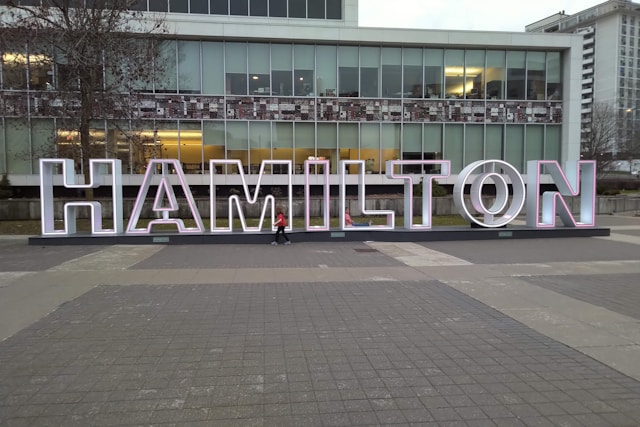
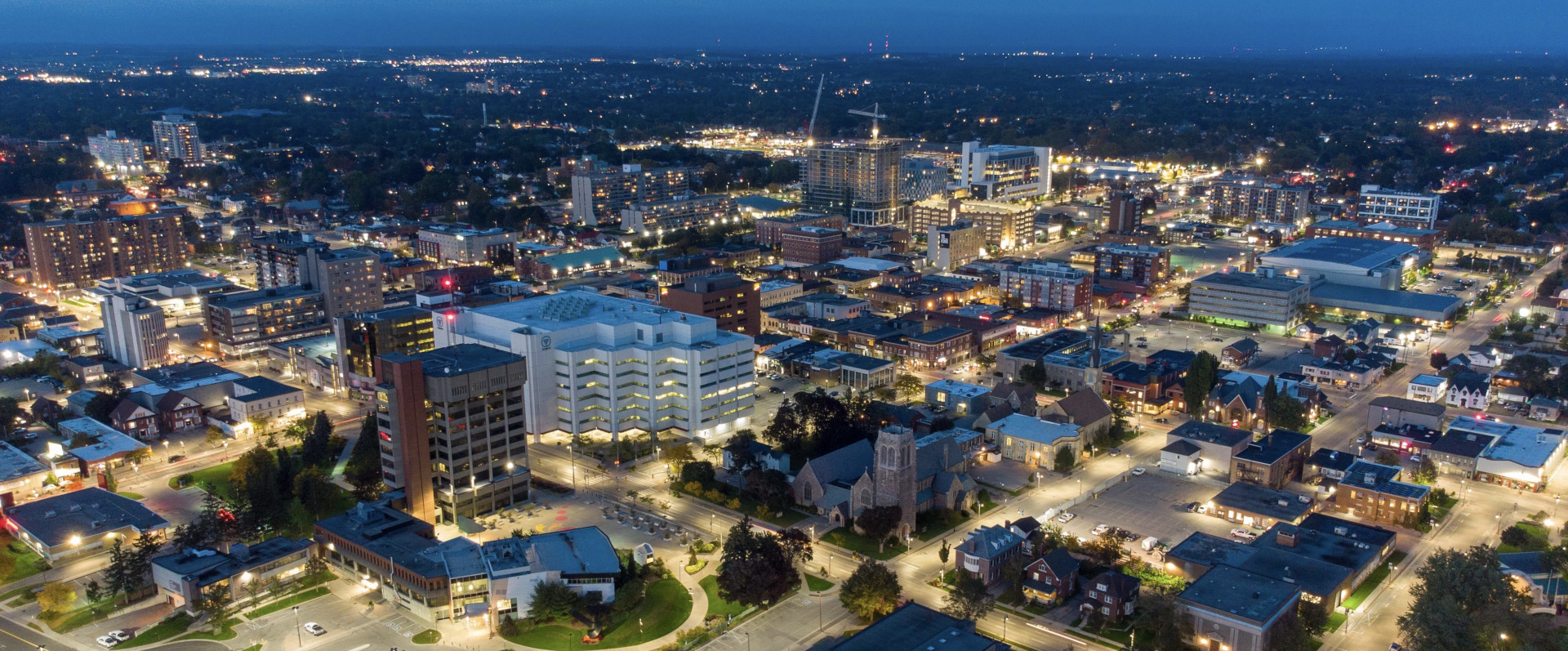
HIGHLIGHTS Economic drivers in Hamilton • In late November 2021, Hamiton’s city council voted to cease the expansion of the urban boundary, which is expected to inflate real estate values, as typical sprawl development land has essentially been siphoned. • Hamilton is projected to have 236,000 new residents and 122,000 new jobs by the year 2051 • Development of McMaster Innovation Park and Red Hill Business Park, as well as expansions to Hamilton’s International Airport, will contribute to attracting and retaining a skilled workforce, further continuing to fast-track Hamilton to become a national center for excellence in life sciences • The Conference Board of Canada praised Hamilton as Ontario’s fastest-growing economy while also ranking it the “Most Diversified Economy in Canada” in December 2021 • Hamilton has experienced tremendous growth in the tech sector seeing a record-breaking increase of 52% over the course of 5 years • Hamilton is located less than one hour away from five major US/Canadian border crossings • Hamilton has been declared one of Canada’s best locations to invest in for 2022 for the third year in a row by an international publication for corporate real estate and economic development • Hamilton is located in the heart of Ontario’s highly prosperous agri-business belt and is among the top 3 in North America for food and beverage processing • Hamilton’s growth is undeniable with industrial manufacturing in the Hamilton/Niagara region representing an estimated $12 billion annual effect • Hamilton is within commuting distance of Canada’s largest city, “Toronto”, via highway 403. It is also a short, 40-minute commute to downtown Toronto via the GO Train, providing accessibility for a workforce of 2 million+ people • Hamilton has been awarded 3.4 billion in funding from the Ontario and Canadian governments to build a new LRT. The LRT will offer frequent and reliable connections on the 14-kilometer line through downtown Hamilton from McMaster University to Eastgate Square • The city’s recovery from the pandemic has been quick and exceptional: the unemployment rate has declined back to pre-pandemic levels of 5.4% Hamilton’s economic base is supported by manufacturing, healthcare, financial and professional services, construction, the steel industry, and real estate. As home to world-class universities, colleges, and research-intensive companies, Hamilton is the financial anchor of the Golden Horseshoe Area. Its economy is built on a legacy of an advanced manufacturing sector that embraces cutting edge science and technology. Numerous companies are establishing their headquarters in Hamilton, creating remarkable employment opportunities within the city. Some of the biggest employers include ArcelorMittal Dofasco, Stelco, Nelson Steel, and Siemens Canada. With a population of nearly 800,000 people, Hamilton is the tenth largest city in Canada. The key indicators that shifted in Hamilton include housing starts and employment, which was enough to bring the market to its current phase in the real estate cycle. Active listings moved the opposite direction as less supply becomes available, but this was not enough to neutralize the impact of the interest rate hikes on property prices (Source: REIN)